REVIEW · LONDON
London: Pilgrims and Pirates Historical Pub Tour
Book on GetYourGuide →Operated by The Great Weekender · Bookable on GetYourGuide
Follow the river into London’s outlaw days. On this small-group Pilgrims and Pirates Historical Pub Tour, I love how guide Wesley turns docklands history into street-level storytelling, and I love the four riverside pubs that make the past feel physical. You walk parts of the Thames corridor that most people skip, then you slow down for pints and real names attached to real events.
One thing to consider: the tour mixes piracy with executions, smugglers, and the Pilgrim Fathers story. If you’re hunting for nonstop buccaneer drama, you might find the balance a touch broad rather than pure pirate-only focus.
In This Review
- Key things to know before you go
- The Thames Between Dead Man’s Hole and Wapping’s Waterline
- Getting Oriented Near Rotherhithe and How the Walk Actually Feels
- Wesley Leads the Stories, and the Group Pace Keeps Them Coming
- Dead Man’s Hole to Execution Dock: When the Thames Was a Working Crime Scene
- The Thames Tunnel Crossing: A Quiet Detour With Big Context
- Four Riverside Pubs: Where Maritime Legends Meet the Real Neighborhood
- Pilgrim Fathers and the New World: Why This Port Pulled People Forward
- Wapping, Ratcliffe Highway Murders, and How Crime Became Local Identity
- Price and Value: What $79 Buys You in Real Terms
- Who Should Book This Tour, and Who Should Skip It
- Should You Book the Pilgrims and Pirates Historical Pub Tour?
- FAQ
- Where does the tour start and end?
- How long is the tour, and how much walking is involved?
- What is the price?
- Are pub drinks included?
- What sites and experiences are included besides the pubs?
- Is the tour led by a live guide?
- What should I bring?
- Is the tour suitable for children or wheelchair users?
Key things to know before you go
- Small group of up to 12 keeps the pace personal and questions welcome.
- Wesley’s storytelling style is the main reason people come back, with humor worked into the facts.
- 5-mile (8 km) walking route along the Thames docklands in about 3.5 hours.
- Thames Tunnel crossing adds a rare, hands-on bit of infrastructure history.
- Execution Dock and Wapping context connect maritime crime to the neighborhoods it shaped.
- Four riverside pubs give you a story stop at multiple points, not just at the end.
The Thames Between Dead Man’s Hole and Wapping’s Waterline
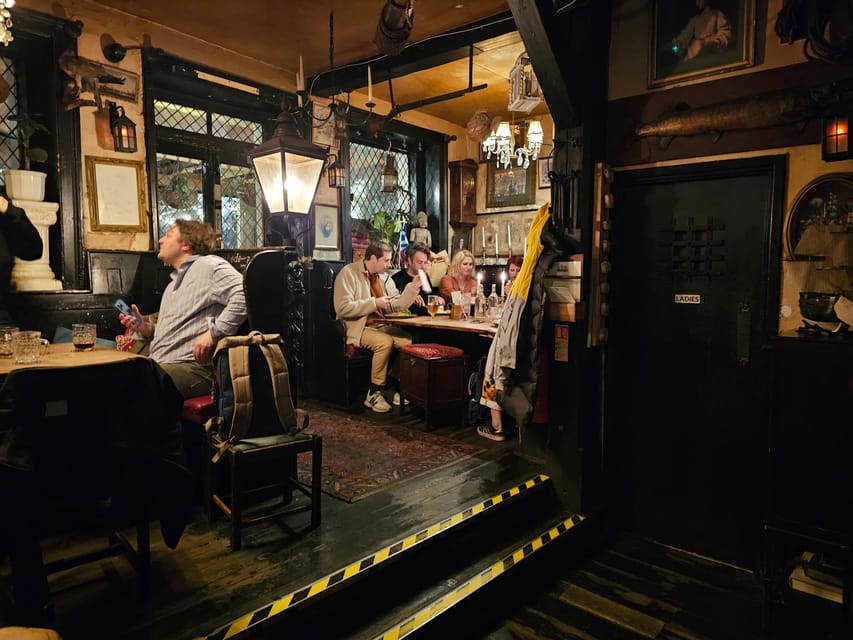
This tour is built around a simple idea: London’s docklands didn’t just trade goods. They traded stories, crimes, and chances. When you’re walking by the river, the setting does half the work. You’re seeing the same kind of waterfront that shaped Britain’s maritime world, with places linked to punishment, recruitment, and the day-to-day hustle of a port that never really slept.
The route tracks you through a stretch of the Thames that feels rougher and more working-class than central London. That’s part of the payoff. You’re not just looking at landmarks. You’re learning how people lived next to the river, how they got pulled into maritime work, and how law and lawbreaking collided in plain sight.
And yes, you’ll spend time in pubs by the water. That matters because it changes the tone. A lot of history tours feel like a museum with bad shoes. Here, you’re stepping into venues tied to the port’s atmosphere, where the guide can layer the stories while you’re actually in the environment people once shared.
You can also read our reviews of more tours and experiences in London.


Getting Oriented Near Rotherhithe and How the Walk Actually Feels
You meet outside Rotherhithe Overground Station on the adjacent street, Railway Avenue. From there, you’re on foot for a 5-mile (8 km) route that takes about 3.5 hours total. With a cap of 12 people, it stays focused. You’re not constantly fighting for space at every stop.
Bring practical things. Comfortable walking shoes are non-negotiable, because you’ll cover a steady stretch of pavement and waterfront paths. Weather can swing fast around the Thames, so you’ll want to be ready for all conditions. I’d also plan on packing light—this tour does not allow luggage or large bags.
If you like taking photos, get your smartphone charged before you head out. The river views and pub fronts are the kind of shots you’ll want, and you’ll also need your phone for navigation if you decide to wander a bit after the tour.
Wesley Leads the Stories, and the Group Pace Keeps Them Coming
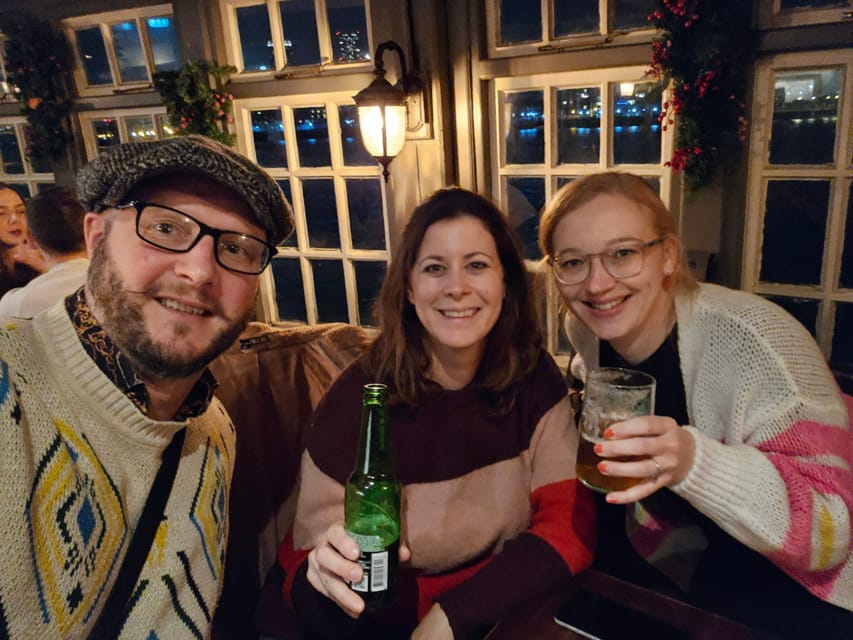
The standout element here is the guide. Wesley’s approach is what turns this from a list of sights into a flowing narrative. In the tour style, you’re not just hearing facts. You’re hearing why they mattered, who got caught up in them, and how rumor and reality mixed around the docks.
That personal feel is helped by the small group size. When people can actually ask questions, the tour improves. I’ve found that docklands history is one of those topics where everyone wants to know the same things: who did what, what was punished, and how recruitment or coercion worked. With a group of this size, you get real back-and-forth rather than a one-way lecture.
Just know the tour’s structure is intentionally time-managed. You’ll be moving along the river route while the guide explains. Then you pause at pubs. Then you move again. If you’re the type who hates walking between stops, this isn’t the format for you. If you’re okay with a steady walk plus breaks, it’s a great fit.
Dead Man’s Hole to Execution Dock: When the Thames Was a Working Crime Scene
The river walk is where the tour’s tone sharpens. You’ll be taken along the Thames from the area linked with Dead Man’s Hole toward Execution Dock, traveling via dockland stories connected to smugglers’ taverns and the darker machinery of port life.
You’ll hear about the kind of forces that shaped maritime labor and movement. The guide discusses how press gangs operated—dragging men off to sea—and how this port world bred both criminals and the people tasked with controlling them. That’s not just trivia. It helps you understand why piracy wasn’t some isolated fantasy. It was tied to a system that recruited, exploited, and punished.
Execution Dock is not just mentioned as a concept. You’ll learn about the actual location of Execution Dock, which changes how you absorb the story. Standing near the riverside where things happened makes the scale feel real, even if the event itself is long gone. You don’t need to be a history buff to feel the weight of it.
Drawback check: the tour’s narrative includes multiple crime threads. If your brain wants only piracy, you might have to relax and accept that piracy is part of a larger docklands story of smuggling, recruitment, and punishment.
The Thames Tunnel Crossing: A Quiet Detour With Big Context
One of the tour’s included highlights is crossing under the Thames using the Thames Tunnel. This adds a rare kind of London experience. Instead of just seeing history from above, you get a physical crossing tied to how the city built connections across the river.
The value here is how the crossing acts like a pause in your mental map. After you’ve been walking the river corridor and hearing about the port’s movements, suddenly you’re moving under it. That small shift helps the stories click. You get a better sense of how people and routes mattered in everyday life, not just for ships but for the city’s growth.
If you like when a tour includes one practical, sensory experience instead of only standing and listening, this is a strong stop. It also breaks the walk enough to keep energy up before the next story-heavy portion.





Four Riverside Pubs: Where Maritime Legends Meet the Real Neighborhood
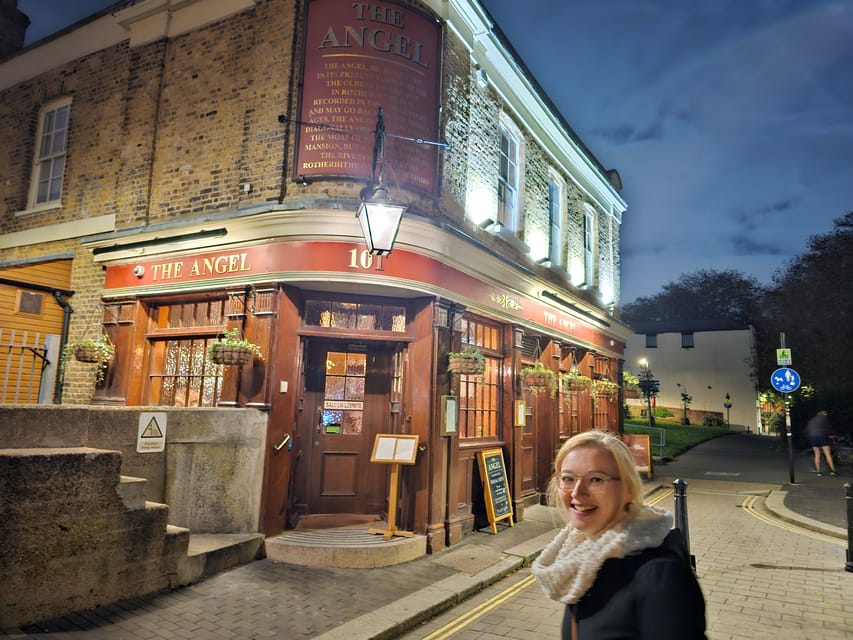
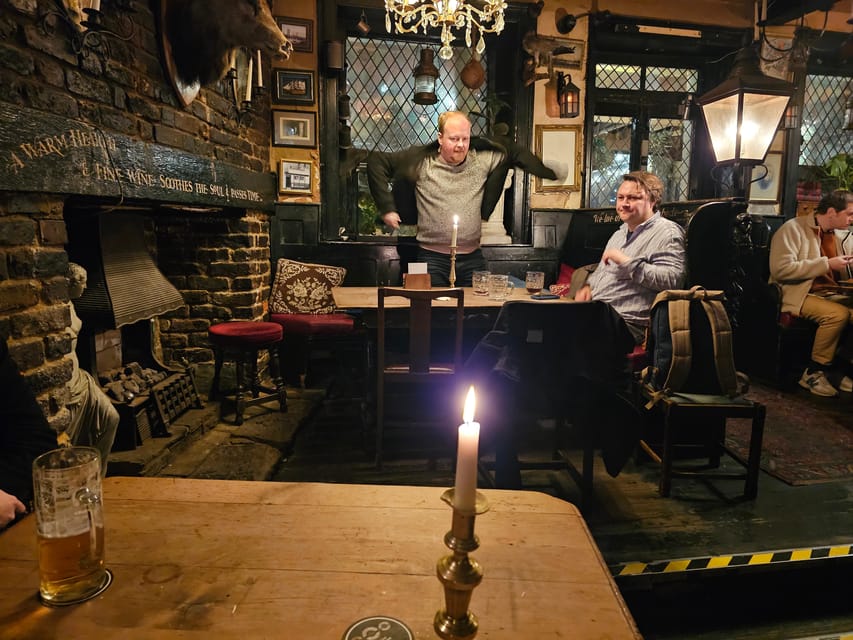
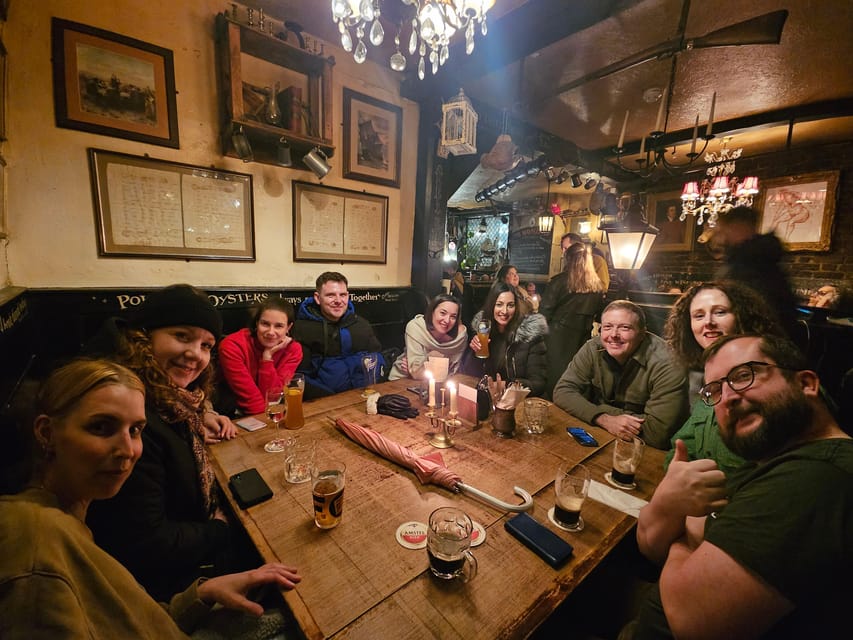
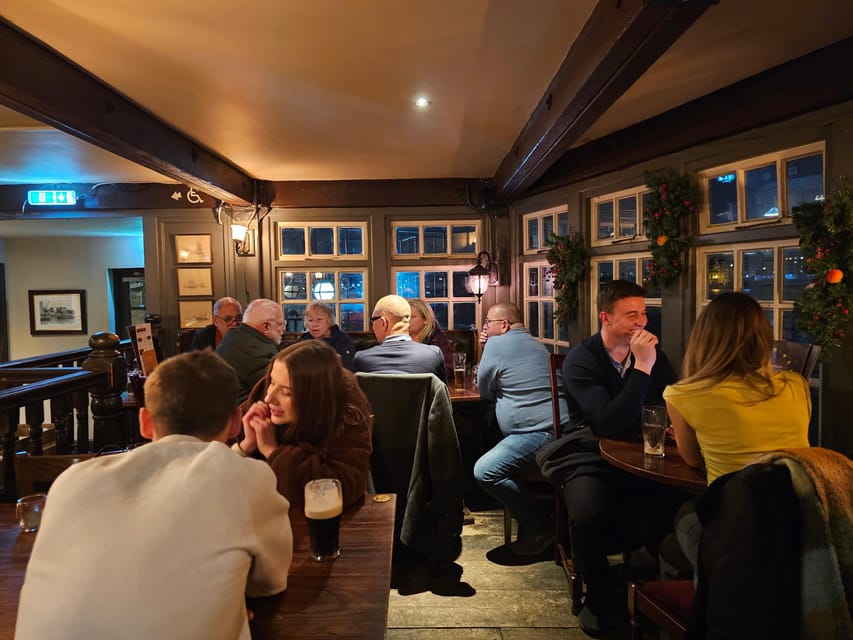
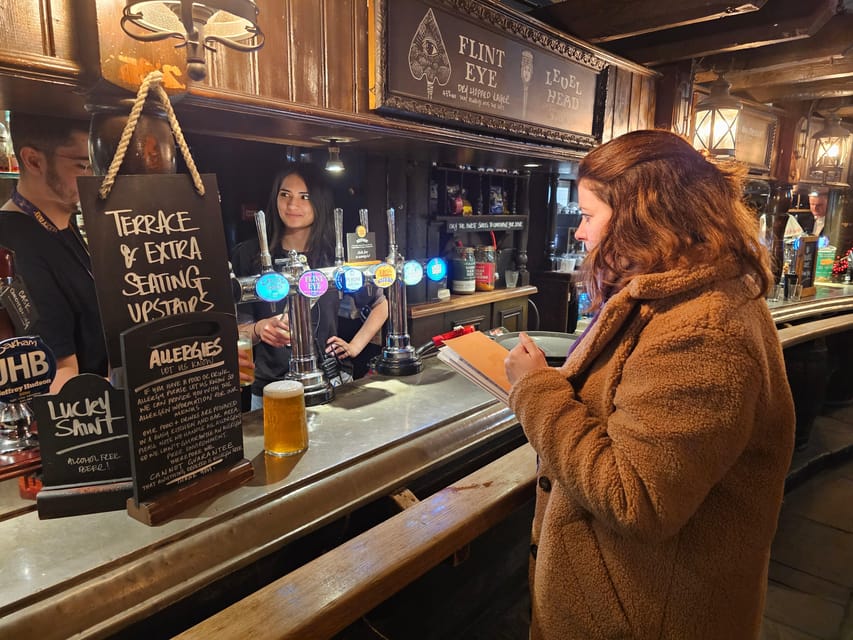
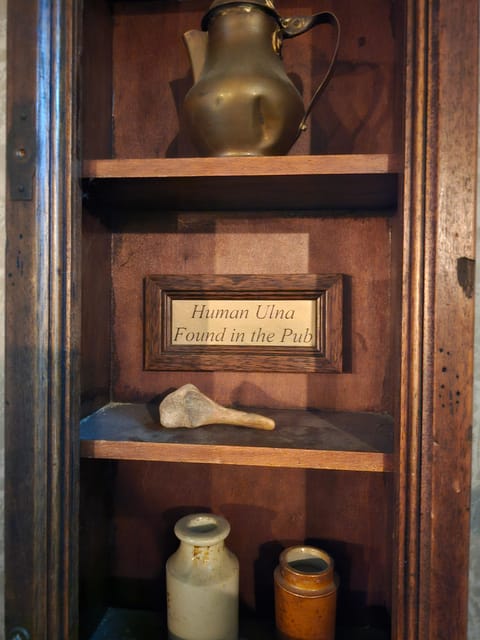
The tour includes visits to four riverside pubs, which is one of the best ways to learn this kind of material. Pubs are informal history spaces. They’re where locals shared news, settled disputes, and built community. Put the maritime setting next to that, and you get a natural stage for stories about sailors, smugglers, and the kinds of characters who hung around the waterfront.
You’re not meant to treat this like a pub crawl. The purpose is narrative. Each pub stop works like a chapter break: you hear more about piracy, crime, and colorful local characters, then you regroup before moving on. The pacing matters because it stops the stories from blending into one long wall of names.
Drinks are not included, so plan for spending what you choose at each stop. Still, I like that approach here. You stay in control, and you’re free to pace your evening. If you’re the type who wants one pint and a bit of conversation, you can do that without feeling like you have to keep buying.
One note: at least some locations may have age restrictions for entry. The tour itself is not suitable for children under 18, and unaccompanied minors aren’t allowed. So this is mainly an adult story night with walking built in.
Pilgrim Fathers and the New World: Why This Port Pulled People Forward
Another included theme is the story of the Pilgrim Fathers—why they set sail for the New World. It can be an unexpected pivot if you came for piracy and criminal misdeeds. But it actually makes the tour smarter.
When you’re learning about docklands crime, press gangs, smugglers, and the hard edges of maritime life, the Pilgrim story gives you a different angle. It reminds you that the same ports that fueled violence and theft also fueled hope, migration, and global change. People left because they believed there was something on the other side worth risking for.
For me, that contrast is the value. It prevents the tour from feeling like a one-note crime show. Instead, you get a fuller picture of a port that connected continents. That’s also why the neighborhoods along the route matter: Wapping and the surrounding docklands were shaped by maritime flows, not just ship schedules.
Wapping, Ratcliffe Highway Murders, and How Crime Became Local Identity
Near the end of the tour, you’ll learn about Wapping and the notorious Ratcliffe Highway Murders. Even without getting lost in every detail, the point lands: crime wasn’t just an abstract event. It shaped how people talked, where they feared, and how they understood the city.
That’s why the finish matters. You end at Wapping Station, which keeps you anchored in the docklands rather than snapping back toward central London immediately. If you have time after the tour, you’re in a good position to keep wandering around that riverside area on your own, grabbing a late drink or dinner nearby.
If you like tours that connect stories to specific neighborhoods, Wapping is a strong payoff. It turns the walk into a place-based lesson, not a set of random stops.
Price and Value: What $79 Buys You in Real Terms
At about $79 per person for 3.5 hours, this isn’t the cheapest way to spend an afternoon. But you’re paying for a specific mix:
- Four pub stops (drinks not included, but the access and pacing are part of the structure)
- A guided, story-driven walking route across docklands sites
- Thames Tunnel crossing and the inclusion of Execution Dock’s actual location
- A small group capped at 12, which usually means more chance to ask questions and a tighter pace
If you were doing this on your own, you could walk the Thames and look at signage. But you’d likely miss how the stories connect: press gangs, smugglers, dockland recruitment, piracy narratives, and the migration thread that ties into the Pilgrim Fathers. The guide is what turns scattered history into a coherent route you can actually remember.
I’d call this good value if you enjoy narrative history and you’re comfortable walking. I’d call it less of a deal if you want short and easy sightseeing with no walking and no story focus.
Who Should Book This Tour, and Who Should Skip It
This tour is a strong match if you like:
- walking history at a steady pace
- maritime stories that mix crime with migration
- a guide who tells stories clearly, with humor and Q-and-A energy
- multiple stops instead of one museum-style lecture
It’s not a match if you:
- need wheelchair access (not suitable for wheelchair users)
- want a kid-friendly activity (children under 18 are not suitable)
- have pre-existing medical conditions that make extended walking a problem
- are traveling with large bags or luggage (not allowed)
Also, keep expectations realistic about the balance. The tour includes piracy and criminal misdeeds, but it also includes the Pilgrim Fathers story and other dockland themes. If you came for only pirates, you may feel the emphasis is shared.
Should You Book the Pilgrims and Pirates Historical Pub Tour?
If you want a London experience that feels like you stepped into a weathered dockside storybook, this tour is worth booking. The big reasons are Wesley’s storytelling, the four riverside pubs, and the fact that you’re walking a meaningful chunk of Thames docklands instead of bouncing between generic tourist stops.
Book it if you’re the type who likes asking questions and connecting history to place. Skip it if you dislike walking, you need full accessibility, or you want pirate tales only.
FAQ
Where does the tour start and end?
You meet outside Rotherhithe Overground Station on the adjacent street, Railway Avenue. The tour finishes at Wapping Station.
How long is the tour, and how much walking is involved?
The tour lasts about 3.5 hours. You’ll walk roughly 5 miles (8 km).
What is the price?
The price is listed as $79 per person.
Are pub drinks included?
No. Drinks at the pubs are not included.
What sites and experiences are included besides the pubs?
You get views of the River Thames, a Thames Tunnel crossing, and a visit at the actual location of Execution Dock. You also learn about Wapping and the Ratcliffe Highway Murders.
Is the tour led by a live guide?
Yes. You’ll have a live tour guide in English.
What should I bring?
The tour notes passport and cash. It also suggests bringing a charged smartphone for photos and navigation, and considering a water bottle.
Is the tour suitable for children or wheelchair users?
No. It’s listed as not suitable for wheelchair users and children under 18. Unaccompanied minors are not allowed, and some locations may have age restrictions for entry.