REVIEW · OSAKA
Meet Osaka locals and Japanese speaking experience at Pub Umeda
Book on Viator →Operated by Welcome Tokyo · Bookable on Viator
Talking to locals gets easier in Umeda. This pub language exchange at HUB Umeda-Chayamachi Applause pairs Japanese and internationals in a friendly setting, using topic cards and staff seat changes so the talk keeps moving. One big plus is that even if your Japanese is shaky, you still have a simple way to join in.
I especially like how it’s set up for real conversation, not awkward waiting. The groups run at a comfortable 3–4 people per chat size, and a host like Hao (and also Edna, in other nights) keeps things working even when the group is small. That structure matters if you’re shy, solo, or just tired of staring at a menu like it’s an exam.
One drawback to plan around: food and drinks aren’t included. You’ll be buying at least your own drink(s), and at 2 hours 30 minutes the friendships you make are usually just the first step, not the whole journey.
In This Review
- Key highlights at a glance
- Why a pub language exchange works so well in Osaka
- HUB Umeda-Chayamachi Applause: what the night feels like at 7:30 pm
- Topic cards and seat swapping: the secret sauce for getting multiple conversations
- Asking Osaka questions: what you’ll get from locals (and how to get more out of it)
- Price and value: why $28 can make sense for solo travelers
- Who this is best for (and who might want a different plan)
- Practical tips so you get more Japanese out of the night
- Should you book this Pub Umeda language exchange?
- FAQ
- What is the price of the Osaka language exchange at Pub Umeda?
- How long is the experience?
- Where does it take place?
- What time does it start?
- What’s included in the ticket price?
- Are food and drinks included?
- Is the event suitable for beginners?
- Can I cancel for a refund?
Key highlights at a glance
- Topic cards help you start conversations fast, even as a total beginner
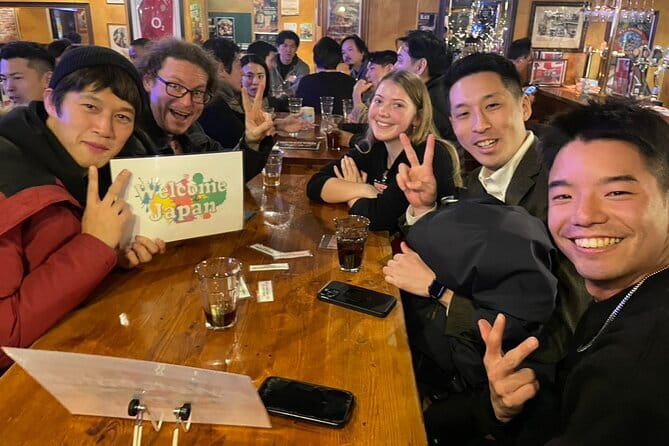
- Mixed groups of 3–4 (Japanese and international) cut down on pressure
- Seat swapping in multiple rounds gives you several chances to speak with more people
- A scheduled 15 minutes of English conversation helps break the ice and compare notes
- Osaka local recommendations come from people who actually live the food and neighborhood routine
Why a pub language exchange works so well in Osaka
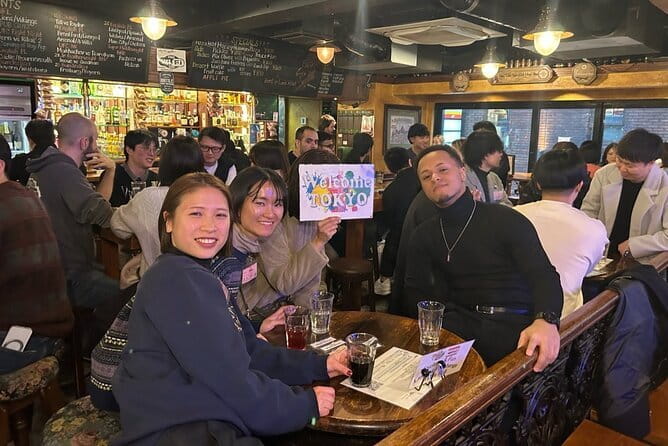
Osaka can be friendly, but meeting locals as a foreigner still takes strategy. When you’re off the train, everyone is busy, and your Japanese might be limited to “excuse me” and “thank you” while you quietly Google the rest. This format solves that problem by putting you in a room where chatting is the whole activity.
A pub setting also helps. You’re not asking someone to carve time out of their day for you; you’re joining a social rhythm already built for conversation. Since it’s “just talk,” you don’t need to be an expert speaker. You only need curiosity, a willingness to try, and a few questions you can repeat.
The best part for me is the balance: it’s structured enough that you won’t get stuck in silence, but it’s casual enough that you don’t feel like you’re doing class. And because you’ll hear both Japanese and English around you, you can follow the flow while slowly pushing your own practice forward.
You can also read our reviews of more tours and experiences in Osaka.


HUB Umeda-Chayamachi Applause: what the night feels like at 7:30 pm
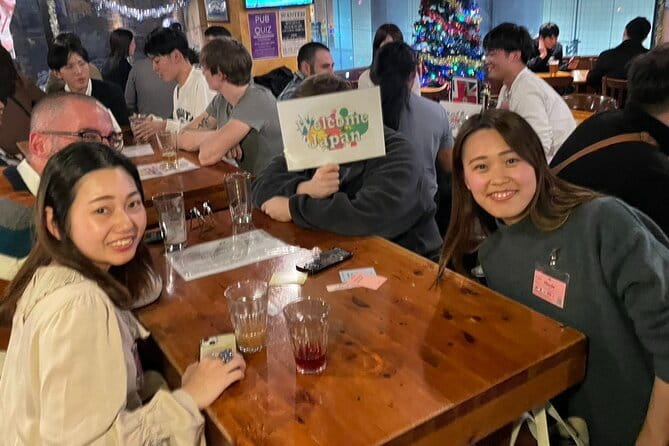
The meetup starts at 7:30 pm at HUB Umeda-Chayamachi Applause, which is a helpful detail because timing matters when you’re traveling. You check in at reception, then you buy a drink from the store, and you’re ready to sit down.
Before the chatter begins, the organizers set things up so you don’t spend the first 20 minutes wondering where you belong. Seat placement is handled so everyone has a place to start, and you’re given topic cards to make the first conversations less random. That sounds small, but it’s huge if you’re the kind of person who freezes the moment the other person says, So what do you want to talk about?
I also like that you don’t have to be a confident planner. The event welcomes Japanese speakers of all levels, including total beginners, so you’re not expected to carry a full conversation on your own. If you can manage a few phrases and a couple of polite repeats, you’re already playing the game correctly.
Topic cards and seat swapping: the secret sauce for getting multiple conversations
This tour’s conversation system is designed to prevent the usual language-exchange problem: one great chat… then everyone disappears into the void. Here, staff split attendees into small mixed groups of about 3–4 people, and they include both Japanese and international participants. That mix helps you practice listening to Japanese while still having human backup if you need clarification.
Then the organizers bring in the part that makes the whole evening more valuable: they change seats so you get more than one round of talking. The goal is simple—ensure you speak with different people and don’t get stuck with only the person who talks the fastest.
The topic cards help you keep your footing. Instead of inventing prompts from scratch, you pull a card and go from there. For beginners, this reduces panic because you can lean on a suggested question. For intermediate speakers, it gives you a conversation track so you can actually use your vocabulary instead of hunting for it mid-sentence.
And yes, there’s also a scheduled moment that helps you reset: 15 minutes of English conversation. That time can be a pressure release if your Japanese is limited, and it also helps you compare how you phrase things. In practice, this means you can move between languages without feeling like you failed at one side of the exchange.
Asking Osaka questions: what you’ll get from locals (and how to get more out of it)
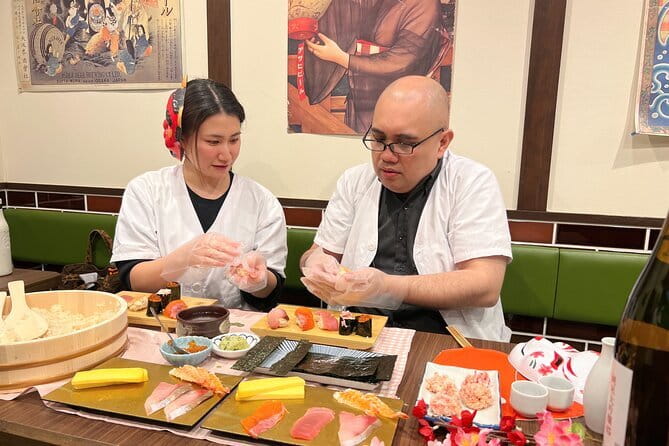
The stated goal is to ask for recommendations on things to do and places to eat in Osaka from Japanese speakers. That’s the kind of advice you can’t easily extract from a guidebook, because locals usually talk about the details: what’s easy to reach, what’s worth it for a quick stop, and when a spot is best.
To make this portion pay off, go in with a tiny plan. Write down two or three themes you care about, like street food, casual ramen, day-trip vibes, or neighborhoods that feel different. During your chats, you can steer the conversation back to your interests even if your Japanese is basic.
Also, ask follow-ups that turn a vague recommendation into usable info. Instead of just, What do you recommend?, try, Is it good for someone without much Japanese? or How long does it take to get there? Those questions are easy to express and they help you translate advice into real action.
One nice side effect: you’ll learn phrase patterns you can reuse the next day. Even if you don’t remember every word, you’ll remember how to ask, how to react, and how to keep the conversation flowing.
Price and value: why $28 can make sense for solo travelers
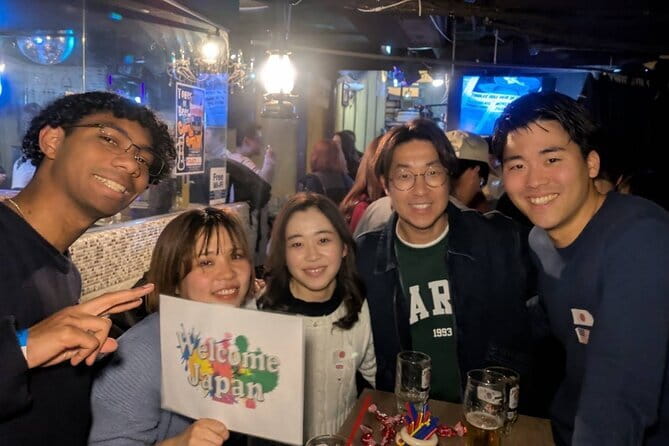
At $28 per person for about 2 hours 30 minutes, the key question is what you’re paying for. Food and drinks aren’t included, but the admission includes your spot in the event, and gratuities are covered. More importantly, you’re paying for structured speaking time with real people.
Think of it like this: a language exchange without structure can eat your time. You spend 30 minutes getting everyone to talk, then the group breaks, and you leave with only one decent conversation. Here, seat swapping and the topic cards try to prevent that time drain.
You also get social value. Solo travel in Japan can feel isolating, even when people are polite. This event makes it socially normal to talk, ask questions, and meet new friends without you having to engineer every interaction yourself.
Realistic note: you’ll still buy a drink. If you’re budgeting, decide in advance whether you want water, a basic beer, or something stronger. Since the tour time is fixed, the most cost-effective approach is to choose one drink you’ll enjoy and focus your energy on conversation.
Who this is best for (and who might want a different plan)
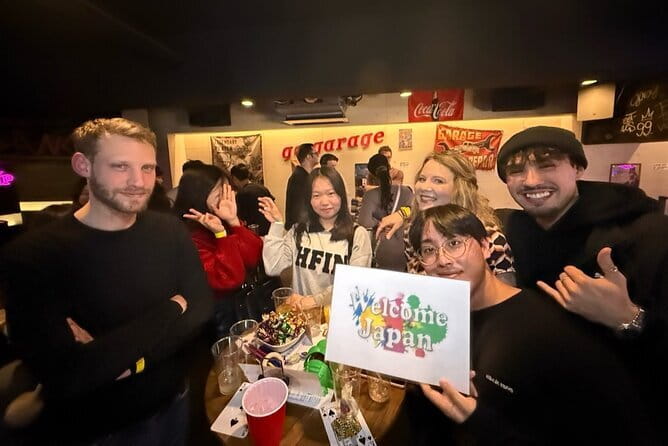
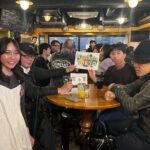
This is a strong fit if you’re traveling alone and want a social evening that doesn’t require you to be outgoing from minute one. It’s also great if you’re a beginner or just nervous about speaking. The format gives you prompts, group sizes that won’t overwhelm you, and multiple chances to try again.
It’s also a good choice if you want practical Osaka guidance. You’re not only practicing language; you’re collecting local ideas for food and what to do next.
If you’re looking for a silent, low-effort night, this probably isn’t your match. The whole point is talk. And if you want a longer hangout to turn new contacts into deep friendships, this is more of a quick connection than a full bonding session.
One more small consideration: a review note mentioned a different place on another day. That suggests the core event format stays consistent, but the exact venue arrangement could shift. If you’re the type who hates surprises, double-check your exact location details when you book.
Practical tips so you get more Japanese out of the night
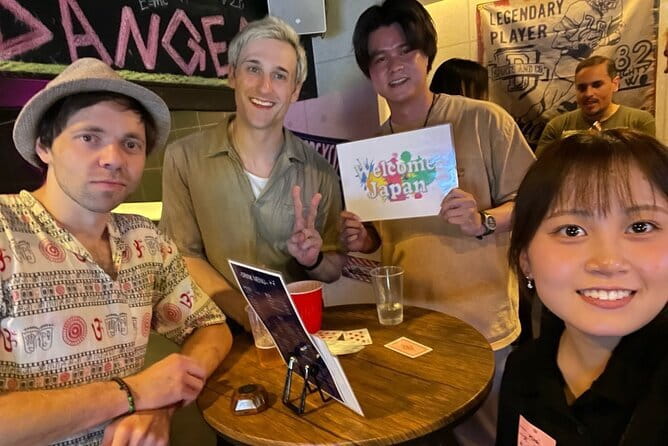
Before you go, set a realistic goal. Don’t aim for perfect grammar. Aim to speak a few sentences, ask a couple questions, and practice reacting in Japanese. That’s the win.
Here’s what helps in a pub conversation format:
- Bring a few ready questions in your notes app: where they’re from, what they recommend eating in Osaka, and what they’d do for a first-time visitor.
- Use the topic cards immediately. Don’t wait until you’re already stuck.
- Repeat key phrases you hear. Language exchanges reward consistency more than flash.
- Plan for the English slot as a reset button, not a fallback. If you understand the English version of what they say, you can often map it back to Japanese you know.
Also, arrive hungry for conversation, not for a full meal. Since food isn’t included, you might want to eat earlier. You’ll enjoy the drink more, and you won’t feel distracted by food timing.
And finally, after the evening ends, you’ll probably feel like chatting more. The atmosphere is designed for friendliness, so if someone seems open, it’s totally reasonable to exchange contact info and continue the conversation later.
Should you book this Pub Umeda language exchange?
Book it if you want one evening in Osaka where speaking is the activity and locals are part of the mix. The combo of topic cards, small groups, and seat swapping makes it more likely you’ll actually practice instead of just showing up and hoping.
Skip it if you need food included, want a quiet night, or expect a long, guided “experience” beyond conversation. This is a social event first. Its value is the human interaction and the practical Osaka recommendations you can carry with you afterward.
If your top priority is meeting people and building confidence speaking Japanese in a friendly setting, this is an easy yes.
FAQ
What is the price of the Osaka language exchange at Pub Umeda?
The price is $28.00 per person.
How long is the experience?
It lasts about 2 hours 30 minutes.
Where does it take place?
It takes place at HUB Umeda-Chayamachi Applause.
What time does it start?
The start time is 7:30 pm.
What’s included in the ticket price?
The admission ticket is included, and gratuities are included.
Are food and drinks included?
No. Food and drinks are not included, and you’ll need to buy your drink on-site.
Is the event suitable for beginners?
Yes. Japanese speakers of all levels are welcome, including total beginners.
Can I cancel for a refund?
Yes. You can cancel for a full refund up to 24 hours before the experience’s start time.